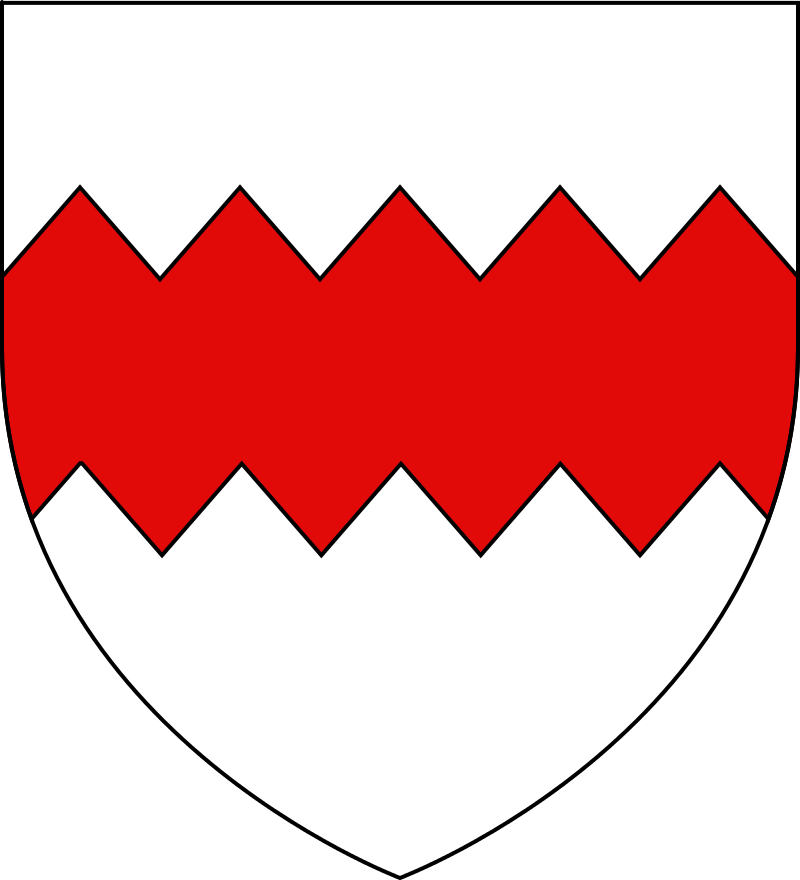
Gudja was inhabited since prehistory, as evidenced by Ta’ Għewra dolmen. Other pre-historic remains are found in Gudja, such as those at the entrance close to the Malta International Airport. as well as the Paleochristian catacombs known as ta’ Ħal Resqun which are more than 1,600 years old. They were originally excavated by Sir Temi Zammit in 1912, and have only been re-discovered in 2006 by officers of the Superintendence of Cultural Heritage close to the Malta International Airport.
The oldest still inhabited houses in Gudja date to at least 1533. A house built by this date is located close to the main square. A Gothic inscription, with Sicilian influence and Greek letters, sheds history on this residence. Though the words in relief are largely unreadable, there are old photographs and documentation on the considerably unusual inscription